“I absolutely love L.A. There’s a kind of unified dissonance because it’s not really a city as much as a cluster of neighborhoods, but there’s unity in that.”
— Kristen Stewart
The Certification For decades, “luxury” in Los Angeles real estate had a specific look: manicured hedges, pristine white marble, and a certain glossy perfection usually associated with the Platinum Triangle.
But the March 2026 issue of Architectural Digest—featuring the Highland Theatre on its cover—confirms a massive shift in that narrative. The design world isn’t looking for “perfect” anymore; it’s looking for soul. And for the last decade, the hills of Silver Lake, Los Feliz, and Mount Washington have been the laboratory for exactly that kind of living.

The Aesthetic What we are seeing on the global stage isn’t just a trend; it’s a rejection of the sterile. The homes that command the most attention right now are the ones that embrace their environment.
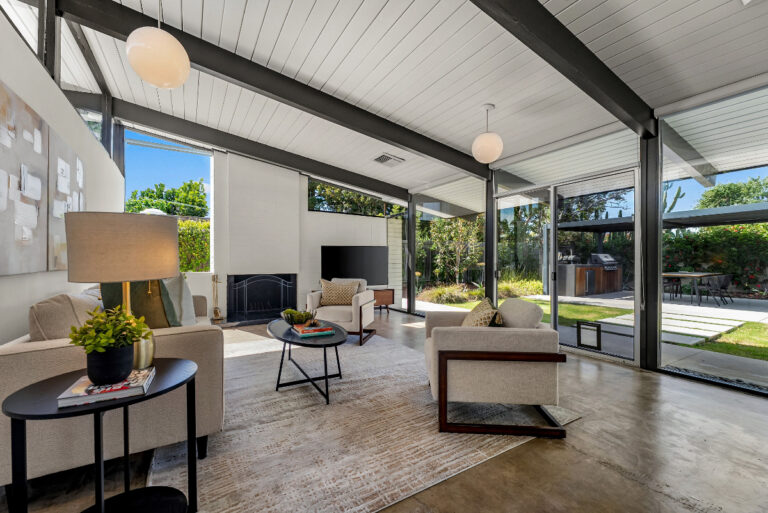
In our market, this translates to a specific architectural language: wood that looks like wood, gardens that feel like wild meadows, and a blurring of the line between “indoor” and “outdoor” that feels effortless rather than engineered. It’s less about showing off, and more about how a home feels. This “organic warmth” is what buyers are craving, and it is driving value in neighborhoods that were once considered alternative.

Listing courtesy of Levi Freeman, Nourmand & Associates
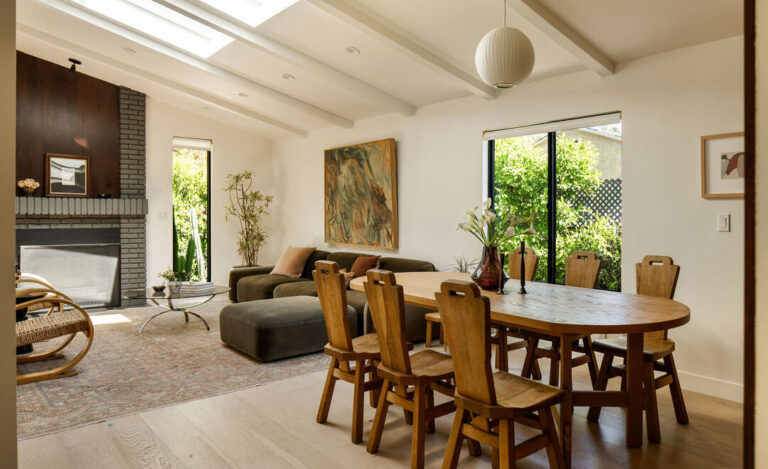
The Export It is fascinating to watch this local vernacular travel. You can walk into a boutique hotel in Tokyo or a loft in New York today and recognize the DNA of our local architecture and design. The reliance on natural light, the layering of vintage textiles, and the celebration of “found” objects—it all traces back to the creative communities in our canyons.
We aren’t just selling homes in a zip code anymore; we are selling a lifestyle that the rest of the world is actively trying to replicate.

Listing courtesy of Levi Freeman, Nourmand & Associates
The Value For our clients, this cultural moment has real financial implications. “Character” is no longer just a nice-to-have; it is a significant value driver.
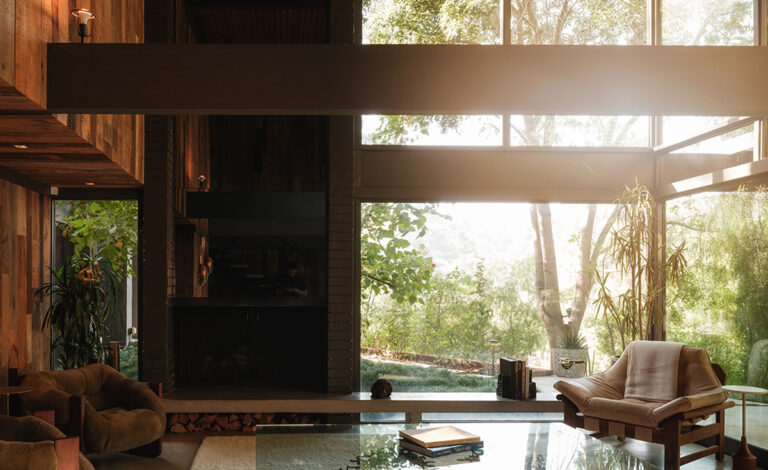
Buyers are increasingly willing to pay a premium for homes that offer this specific kind of narrative. They want the creaky wood floors, the original casement windows, and the mature eucalyptus trees. In this market, the “imperfections” are actually the assets.

Listing courtesy of Jonathan Mogharrabi, Marci Kays, Carolwood Estates
Jesse & David’s Takeaway
How to translate this cultural shift into your real estate strategy.
01—Edit, Don’t Stage If you own a home with history, don’t try to modernize the soul out of it. We often see sellers tempted to “update” a vintage home with generic grey floors or bright white recessed lighting. In today’s market, that can actually devalue the property. Lean into the quirks. Restore rather than replace.
02—Good Bones The properties that are “done” in this specific style are trading at record highs. The opportunity lies in finding the homes that have been overlooked—the ones with the right “bones” that haven’t been touched in 30 years. You can add the design layer yourself; you can’t add the history.
03—The “Cool” Premium Be aware that “vibes” cost money. A home that has already been renovated in this specific “California Cool” style will often trade for significantly more than a comparable home next door. If you are budget-conscious, look for the “unpolished gem” and bring the vibe yourself.
04—The Audit When touring a home, look past the staging. Ask yourself: does this home have a connection to its site? Is the light good? Is there privacy? These are the foundational elements of the style that cannot be faked. Everything else is just paint and furniture.