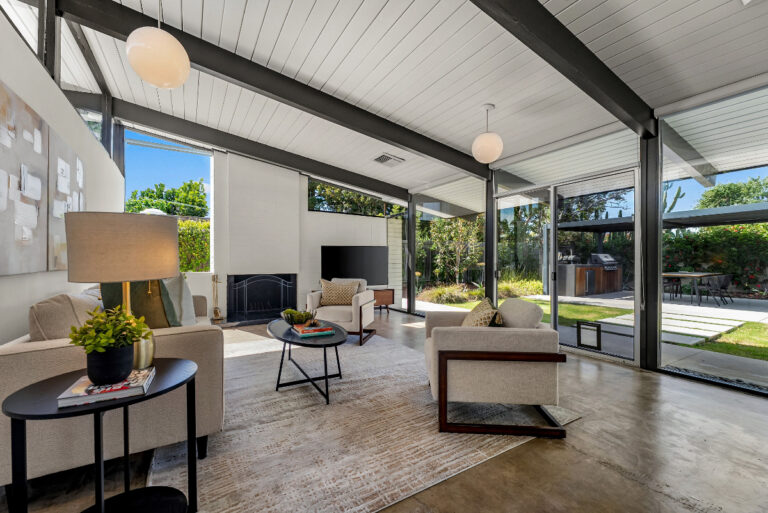
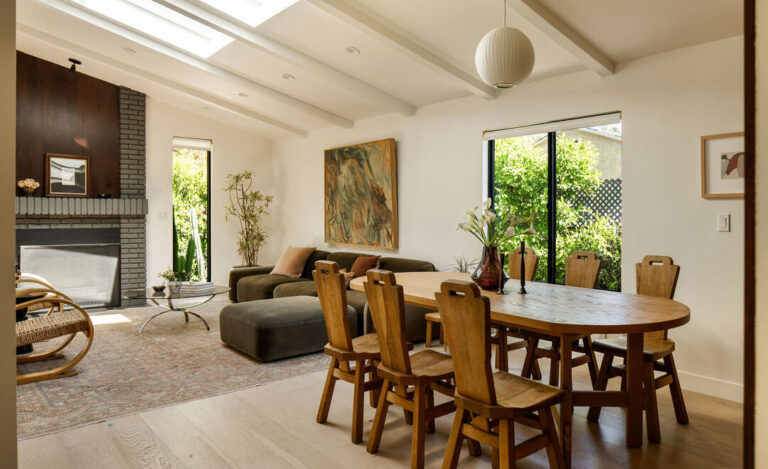
In the grand bazaar of global property, the purchasing power of a single million (dollars, naturally) has transformed from a gold standard into a rather erratic variable. A new dispatch from Realtor.com offers a sobering—or perhaps exhilarating, depending on your latitude—audit of exactly how much floor one can secure for seven figures. The report does more than list numbers; it sketches a map of modern compromise between square footage and cultural cachet.
The findings suggest a tale of two markets within the United States alone. In the American south, specifically Atlanta, the median million-dollar acquisition unfolds across a generous 4,530 square feet. It is a figure that implies guest wings, dedicated libraries, and the sort of sprawling hospitality that requires an intercom system. Here, the investment buys not just shelter, but volume—a lifestyle of architectural abundance where the luxury lies in having empty space to fill.
Contrast this with the Pacific constraints of Honolulu. In Hawaii’s capital, that same capital outlay encounters the “paradise tax,” securing a mere 1,651 square feet. It is roughly a third of the Atlantan offering, a reminder that in island markets, one pays for the view and the trade winds rather than the elbow room. The lifestyle shifts from expansive indoor living to a more compact existence where the ocean is effectively in your front yard.

Cast the net wider, and the disparities sharpen into a fascinating index of global desirability. Cape Town emerges as the undisputed champion of value, offering a palatial 4,844 square feet. It bests even Atlanta’s southern comfort, suggesting that for the remote worker or the seasonal migrant, South Africa offers a quality of life measured in banquet halls rather than breakfast nooks. São Paulo, the beating heart of Brazil, holds its own with a respectable 3,850 square feet—proving that a dense, concrete metropolis need not equate to a cramped existence.
Yet, at the other end of the spectrum lies Singapore. In this humid, hyper-efficient financial fortress, the million-dollar mark secures a humble 977 square feet. It is a compact reality check for the global nomad: in the city-state, you are not buying a home so much as an entry ticket to a premier economic hub.

For the modern investor, the lesson is clear. Geography is no longer just about location; it is about the very volume of life one can afford to lead. The choice is yours: a ballroom in the Cape, or a broom cupboard in the Lion City?
Jesse & David’s Takeaway
01—The “Third-Home” Thesis: With Cape Town and Atlanta offering nearly triple the space of coastal or island hubs, these markets are prime targets for a “seasonal compound” strategy. The play here is volume: buying a legacy estate for the holidays rather than just a city crash pad.
02—The Island Premium: The stark data from Honolulu and Singapore (both under 1,700 sq. ft.) underscores that restricted land mass remains the ultimate driver of price-per-foot appreciation. The investment logic is simple: buy land where they physically cannot manufacture any more of it..
03—The Island Premium: The stark data from Honolulu and Singapore (both under 1,700 sq. ft.) underscores that restricted land mass remains the ultimate driver of price-per-foot appreciation. The investment logic is simple: buy land where they physically cannot manufacture any more of it.
04—The Borderless Rolodex: Navigating a purchase in São Paulo or Singapore requires more than a portal; it requires a diplomat. With a network spanning over 1,100 offices across 84 countries, Sotheby’s International Realty serves as the ultimate connective tissue. We don’t just open doors locally; we curate introductions to the most trusted advisors in every timezone, ensuring your portfolio expands as seamlessly as your itinerary.